regulations
Unveiling the Future EU Sustainable Spirits that are Alcohol-Free and Non-GMO
Over the past few years, the European Union (EU) has seen a major change in the world of spirits. A shift is underwayaEUR”one that speaks to the changing preferences, tastes and discerning choices of consumers. As the EU is embracing sustainability, and as more consumers seek alternatives to traditional alcoholic beverages, the rise of environmentally-friendly alcohol-free spirits has emerged as a significant trend. In this article, I take you in a journey to study this intriguing phenomenon.
The Rise of Sustainable Spirits in the EU
The EU’s Alcohol Market
The landscape of the market for alcohol in the EU has undergone a profound transformation. In the past, alcohol has played an important role in European society, with wine, beer, and spirits serving as the primary beverages for social gatherings and dining. However, in recent years, an interesting trend has emergedaEUR”consumers are becoming more conscious of their choices.
The EU alcohol market, once dominated by the drinking of alcoholic drinks, has now begun to shift toward more sustainable, healthier, alternative drinks that are alcohol free. The trend towards mindful consumption driven by health-related concerns and social responsibility as well as environmental consciousness is bringing about a new era of spiritsaEUR”the the alcohol-free, sustainable type.
The rapid growth of alcohol-free Spirits
The leaders in this trend are progressive brands that have realized the changing trends in consumer preferences. These companies that are forward-thinking have responded by introducing a range of alcohol free spirits that not only offer an alternative to traditional alcoholic drinks however they also consider sustainability.
The advent of alcohol-free spirits represents an important shift from the past. These spirits, without alcohol but brimming with flavor retain the essence traditional drinks without having the intoxicating effects. While the concept of alcohol-free spirits isn’t entirely new, the emphasis on sustainability and environmental responsibility is a new and critical development.
This article will dig deeper into this exciting development, looking at the environmental impacts that traditional alcohol production has, which is being integrated into the production liquors that do not contain alcohol. In the next sections, we’ll take you through the fascinating process involved in making these beverages, from sourcing ingredients to eco-friendly production methods as well as sustainable packaging and distribution.
Let’s begin this adventure together and learn the ways in which EU sustainable alcohol-free spirits are paving the way to a sustainable and more conscious future. In the next part this article, we’ll be looking at the environmental impact of traditional production of alcohol and how it’s pushing people towards more sustainable choices.
Keywords: EU sustainability of alcohol free spirits alcohol market within the EU sustainable spirits alcohol-free alternatives responsible consumption, environmental consciousness, sustainable and non-alcoholic spirits, sustainability of alcohol-free spirits, innovative brands ecological impact of traditional alcohol production, environmentally sustainable choices.
A Direct Link to Premium Non-Alcoholic Spirits: Order Bulk from Swedish Distillers Now!
The Environmental Impact of Traditional Alcohol Production
If one thinks of the production of alcohol, the image that often comes to mind is idyllic rural breweries and vineyards, or sophisticated distilleries. Although these images may evoke nostalgia and charm However, they also have an important environmental impact. In this article, we’ll delve into the environmental impacts of traditional methods for producing alcohol and how they’ve contributed to the growing demand for sustainable alternatives.
Secret Costs of Traditional Alcohol Production
Traditional methods of making alcohol have been utilized for centuries and are often handed down over generations. These processes usually involve cultivation of certain crops (such as grapes, grains, or sugarcane) along with distillation, fermentation as well as aging and bottling. While these processes may seem unnatural, they have serious ecological implications:
1. Intensity of Resource
a. Land Use
Traditional production of alcohol usually requires huge areas of land to grow. Agriculture of various crops such as grains or grapes requires significant surface area, which could have been used for other and sustainable uses.
b. Consumption of Water
The production of alcoholic beverages is notoriously water-intensive. From irrigating crops to the actual fermentation and distillation procedures, large amounts of water are used up. This is a major issue in regions where water scarcity is an urgent concern.
2. Energy Consumption
Traditional distillation and aging processes are energy-hungry. Utilizing fossil fuels to power distillery operations adds to greenhouse gas emissions and accelerates climate changes. Additionally, the aging spirits in wooden barrels demands massive storage facilities, typically required temperature control, as well as energy usage.
3. Chemical Use
Pesticides and fertilizers can be used in agriculture to protect crops and improve yields. The chemical runoff from conventional farming practices can result in the degradation of soils and water quality which negatively affects ecosystems as well as the health of people.
A Shift Towards Sustainable Alternatives
As the concerns over climate change, resource depletion and environmental degradation mount consumer expectations are growing sophisticated. They’re now looking for products that are in line with their ideals of responsibly and sustainability. This shift in consumers’ preferences has opened the door to the creation of sustainable alternatives like alcohol-free spirits.
In the next part this article, we’ll examine our how EU sustainable alcohol-free spirits is altering the environmental footprint of the industry. From new sourcing methods to eco-friendly production techniques, these alternatives are setting an new standard for sustainability in the spirit world.
Keep reading The sustainability of EU Alcohol-Free Spirits
Keywords: the environmental impacts of alcohol production and traditional methods of alcohol production intensive use of alcohol resources production, the use of land in alcohol production for water use when producing alcohol, energy consumed in the process of producing alcohol, the use of chemicals in the production of alcohol alternative to sustainable production Climate change, environmental degradation, consumer preference on sustainability and alcohol-free spirits.

Sustainable Alcohol-Free Spirits as a Greener Alternative
In the preceding sections, we explored the environmental impacts of traditional production of alcohol as well as the shift in preference of consumers toward sustainability. We’ll now dive into the realm of sustainably produced alcohol-free spirits to understand how they’re helping pave the way towards a more eco-friendly and more sustainable future.
The Beginning of Sustainable Alcohol-Free Spirits
The idea of spirits that are alcohol-free may appear strange at first glance. It is true that spirits have been for a long time associated with alcoholic content. However, innovative and forward-thinking distilleries are challenging the perception by creating alcohol-free alternatives. They preserve the essence of traditional spirits, without the alcohol.
What are the most sustainable alcohol-free Spirits?
Sustainable alcohol-free spirits, often referred to as “spirits alternatives,” are beverages that replicate the aromas, flavors, and sophistication of traditional spirits, yet comprise little or no alcohol. They are created with some combination of plants, spices, herbs, along with other natural ingredients each carefully chosen to provide distinct sensory experiences.
The Environmental Benefits
1. Reduced footprint on the land and in the water
One of many significant environmental advantages of a sustainable alcohol-free spirits is their lower area and footprint of water. In contrast to traditional production of alcohol, that needs large areas of land and water for the cultivation of crops and transportation, alternatives to spirits typically source their ingredients in a more efficient manner. This means that less resources are consumed, freeing areas of land and water to be used for other sustainable purposes.
2. Lower Energy Consumption
Production of spirits that are alcohol free usually requires less energy-intensive processes as compared to traditional distillation and maturation. This results in a less carbon footprint as well as a reduction in the emission of greenhouse gases. As the world grapples with the consequences of climate changes, energy savings become increasingly vital.
3. Use of chemicals in a minimal amount
Sustainable alcohol-free spirits are designed with a keen eye on sustainability and purity. This implies that minimal or none of chemical additives, pesticides or fertilizers are included for their production. By avoiding the harmful chemicals often associated with traditional agriculture, these choices are healthier for the environment and clean water sources.
Responding to Consumer Demand
The consumers of today are more informed and conscious about their options. They seek out products that align with their beliefs, which includes social and environmental sustainability. Sustainable alcohol-free spirits fulfill this demand by offering guilt-free and eco-friendly drinking experience.
These products aren’t just enjoyed by those who do not drink alcohol, but also by people trying to reduce their alcohol consumption, whether for reasons of health, social or personal reasons.
What Lies Ahead
In the next segment, we will explore some notable EU distilleries and brands which have turned to sustainable alcohol free spirits. We’ll take a look at their innovative approaches that are unique, their products, and the impact they’re making on the industry of spirits.
Continue to read: Leading the Green Revolution: EU Sustainable Brands that are Alcohol-Free
Keywords: sustainable alcohol-free spirits Alternative spirits, environmental benefits, lower land and water footprint, reduced utilization of energy, lower chemical use, meeting demand of the consumer, EU brands, distilleries and innovative methods, leading in the Green Revolution.
Leading an initiative to lead the Green Revolution: EU Sustainable Brands for Alcohol-Free Spirits
As consumer attitudes continue to shift towards environmental sustainability in the 21st century, a lot of European Union (EU) distilleries and brands are leading the way in the production of environmentally friendly alcohol-free spirits. In this article we will take a look at some important EU brands and distilleries that have taken on the green revolution and are creating waves in the spirits sector.
The rise of EU Sustainable Alcohol-Free Spirits Brands
A Commitment to Sustainability
EU distilleries as well as brands enjoy a long tradition of producing top-quality spirits. As the world faces environmental challenges These companies are moving towards one of the most pressing issues: sustainability. They are conscious of the need reduce their carbon footprint, preserve natural resources and encourage sustainable consumption.
Innovative Approaches
In the interest of sustainability, EU brands are employing new approaches to alcohol-free spirit production. These strategies include using locally made, organic ingredients using energy-efficient methods of production and even implementing circular economy principles.
It is a valid EU Sustainable Labels for Alcohol Free Spirits
1. Seedlip
-
Background Seedlip is often considered one of first pioneers in the environmentally friendly alcohol-free spirits movement. The brand was established in the United Kingdom, the brand has earned international recognition for its innovative spirit choices.
-
Sustainable initiatives: Seedlip puts a particular emphasis on sustainability. making use of local farms for ingredients and using environmentally friendly packaging. They’ve also rolled out initiatives to promote biodiversity and conservation.
2. Rutte
-
Background: Rutte is a Dutch distillery with a long history that dates back as far as 1872, has launched a variety of alcohol-free spirit that honor their traditional craft while adhering to sustainability.
-
Sustainability Programs Rutte focuses on using natural botanicals as well as reducing pollution in their production processes. They also participate in green initiatives within their local communities.
3. CalenIfo
-
Background CalenIfo, hailing from Spain, is known for its vibrant and tropical-inspired alcohol-free spirits, which are perfect for cocktails and social gatherings.
-
Sustainability Initiatives: CalenIfo commits to using ingredients that are ethically sourced and encouraging ethical labor practices and minimizing the environmental impact of their products.
Implications for the Spirits Industry
These EU non-alcoholic spirits that are sustainable are not just providing eco-friendly alternatives to traditional spirits but they are also bringing about change in the industry. As they grow in popularity, other distilleries and brands are noticing and beginning to adopt more sustainable methods of production.
The growth of these labels reflects an increased awareness of environmental concerns as well as a desire for responsible and sustainable consumption in the minds of consumers. It’s clear that sustainability isn’t an fad; it’s becoming an integral part of the future of the spirits industry.
In the coming section, we’ll take a deeper to the global influence of sustainable alcohol-free spirits and their role in shaping the future of the beverage industry.
Continue reading: Shaping the Future: The Global Impact of sustainable alcohol-free Spirits
Keywords: EU sustainability of alcohol free spirits, commitment to sustainability, inventive approaches, Seedlip, Rutte, CalenIfo’s effects on the spirits industry, responsible consumption, future of the beverage industry.
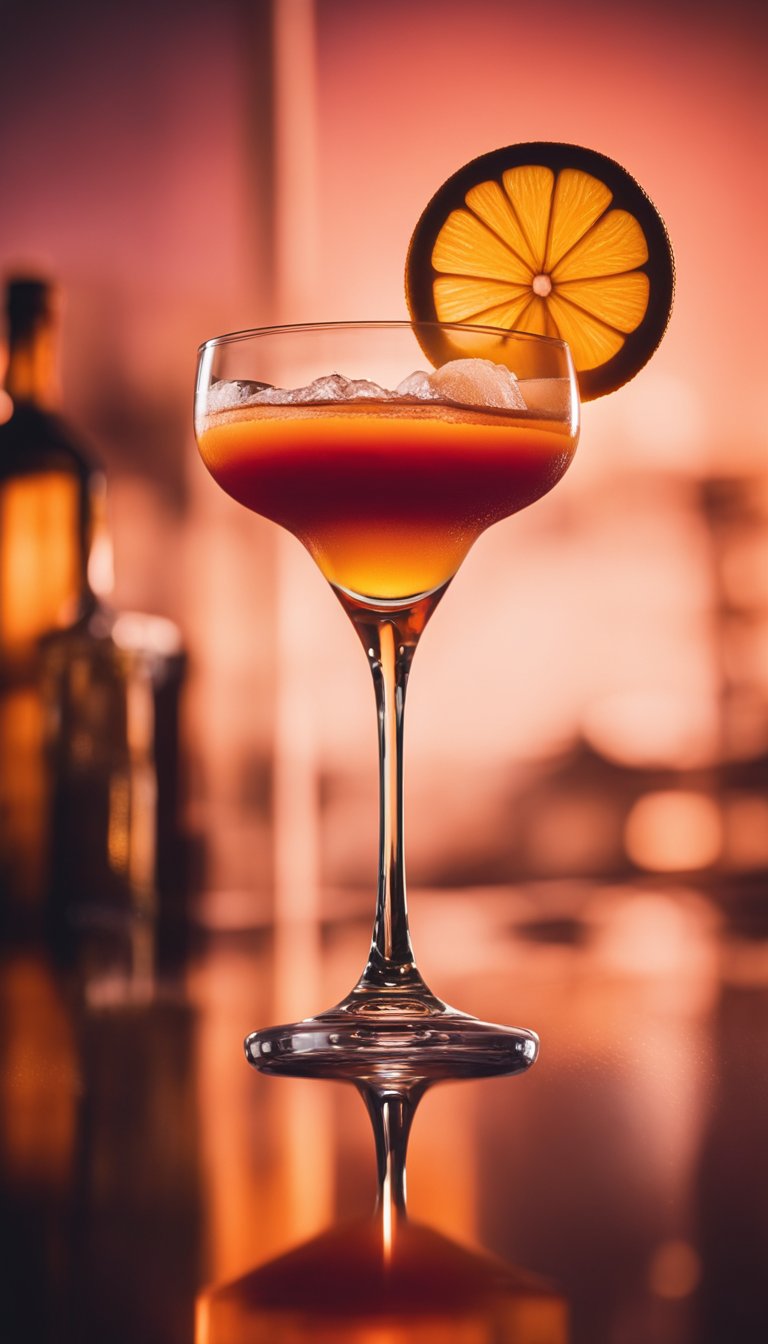
Shaping the Future: Global Impact of a Sustainable Alcohol-Free Spirit
In the previous articles in the previous sections, we took an exploration of the changing world of sustainable alcohol-free spirits within the European Union (EU). We examined the EU’s commitment to sustainability, cutting-edge strategies and a number of notable EU brands driving on the path to a sustainable green revolution. In this last installment, we extend our focus to consider the global impact of sustainable alcohol-free spirits, as well as their impact on tomorrow’s beverage market.
A Worldwide Shift Towards Sustainability
A Global Phenomenon
While the EU has been at the forefront of creating sustainable spirits without alcohol however, this movement is by certainly not restricted to its frontiers. Around the globe, from North America to Asia, distilleries and brand owners are recognising the importance of sustainability and environmental responsibility in the production of spirits.
Consumer Demand
One of the major forces that are driving this change is the ever-growing demand from consumers for sustainable and eco-friendly products. These days, consumers aren’t only seeking quality in their beverages but they also want sustainability. They are looking for choices that reflect their values and minimize their environmental impact.
Expanding Horizons: Brands Beyond Borders
Beyond the EU
As we’ve covered in previous sections In the meantime, the EU has a number of well-known companies committed to sustainability. But, we shouldn’t ignore the work of distilleries from different regions. Brands that originate from the United States, Canada, Australia and numerous Asian countries are creating noises in the sustainable alcohol-free spirits industry.
Innovative Flavors and Techniques
What sets these global brand names apart is their unique regional flavors and production techniques. For example, American brands may draw inspiration from local plants, while Asian distilleries typically blend their products with traditional spices and herbs.
The Impact is having on Spirits Industry
The collective efforts of distilleries worldwide and brands are having a massive impact on the spirits industry. Here’s how:
Inspirational Change
The recognition and success for sustainable alcohol-free spirit brands inspire traditional distilleries and beverage companies alike to reconsider their operations. This is why we are witnessing an increasing amount of industry leaders adopting sustainable approaches and eco-conscious production practices.
A Sustainable Future
Sustainability is no longer a trendy word, but rather a key policy for the future of the industry. From decreasing carbon emissions and conserving water resources spirits producers are accepting their role as stewards of the environment.
The End: A Toast to Sustainability
In this series we’ve taken a deeper dive into the world of sustainable alcohol-free spirits from their humble beginnings as well as innovative production methods that have led to some of the most renowned EU and international brands. This journey has shown the transformative power of sustainability in the world of spirits.
We raise our glasses to celebrate these incredible advances and achievements, we are aware that the shift to green spirits isn’t just a passing trend but an entire paradigm shift. It’s a step towards an environmentally responsible, sustainable, and eco-friendly future for your favorite drinks.
So it doesn’t matter if you’re sipping the Seedlip cocktail in London, enjoying a Rutte-inspired recipe in Amsterdam, or exploring the tropical flavor the CalenIfo has to offer in Madrid Be aware that your decision is contributing to a better more sustainable, healthier world.
Thank you for coming along on this fascinating journey into the world of sustainably produced alcohol-free spirits. When we are done with this series let’s carry this spirit of sustainability forward, and be responsible in the drinks we drink.
A Recap from the Series:
-
The rise of EU Sustainable Alcohol-Free Spirits Brands
-
Sustainable, Alcohol-Free Spirits: From a global perspective
-
Modern Production Strategies in Sustainable Alcohol-Free Spirits
-
Notable Brands in the sustainable alcohol-free spirit Movement
-
Shape the Future Global Impact of Sustainable Alcohol-Free Spirits
Uncoding EU Regulations on Non-Alcoholic Beverages: Your Must-Read Guide for the utmost compliance
In the field of food and beverages, compliance with regulations is more than a legal necessity but an essential element of consumer confidence and safety. This is because the European Union (EU), well-known for its stringent rules place a great deal of importance on ensuring that non-alcoholic beverages adhere to the highest standards of safety and quality. This is the first article in our series, attempts to dissect the complexities of EU regulations governing non-alcoholic beverages.
understanding the EU Framework
Introduction to EU Regulatory Organizations
The core of EU rules for non-alcoholic drinks are various regulatory bodies each with a significant role in ensuring that any products sold on the marketplace are suitable for consumption by consumers.
1. It is the European Commission: Often considered as the executive branch of the EU, the European Commission takes charge of making legislative proposals and implementing decisions. In the case of the regulation of food and drinks, the Commission plays an important role in establishing the guidelines within which alcohol-free drinks are allowed to function.
2. EFSA (European Food Safety Authority ):The non-profit agency offers scientific advice on nutrition and safety for authorities of EU institutions. The EFSA’s experience is crucial to assessing the safety of ingredients and the additives that are used in non-alcoholic beverages.
3. National Authorities Alongside EU-wide regulations, state members may have their own specific regulations. National authorities oversee compliance with EU regulations at the local at the local level.
The legal Framework
Understanding EU regulations on non-alcoholic alcohol requires knowledge of the legal framework governing the laws. The EU makes use of two primary types of law which are directives and regulations.
EU Regulations: These are directly applicable on all the states that are members of EU, and don’t require separate national legislation. If an EU regulations is passed it is deemed law in all member states at once.
EU Directives: Directives, on the other hand, spell out the goals that member states have to reach. It’s up to every member state to pass its laws that comply with the directive.
The interaction between EU regulations and state-specific laws in member states can often be complex, and requires businesses to navigate general EU regulations as well as specific national implementations.
Understanding this regulatory framework is the first step in ensuring the compliance of EU guidelines for alcohol-free beverages.
In the coming section, we will explore specific aspects of EU regulations, with particular attention paid to labels and requirements for ingredients, which are of paramount importance to companies operating in the beverages industry.
Stay with us as we examine the complexities of labeling and ingredient regulations within the EU for non-alcoholic drinks.

Finding the EU Regulations: Labeling and Ingredient Requirements on Non-Alcoholic Drinks
In the last section in this article, we started a trip to better understand the complicated web of EU regulations governing non-alcoholic beverages. We’ll dive into the details, focusing on the labeling and ingredient requirementsaEUR”a crucial aspect of compliance for businesses operating within the beverage sector.
Guideline for Labeling
Transparency and Clarity Transparency
EU regulations are very precise when it comes to the labeling of non-alcoholic beverages. The primary goal is to ensure that consumers receive exact and precise information about the items they purchase. Here are some key aspects of labeling guidelines:
1. Name of the beverage The name must clearly indicate the nature of the beverage. False names that can confuse consumers are strongly discouraged.
2. Ingredients List: Alcohol-free beverages have to include a list ingredients that list each ingredient in order of weight, descending.
3. For information about allergens, if a beverage is a mixture of any of the 14 allergens that are listed within EU regulation (e.g., dairy, nuts and gluten) These allergens must be clearly indicated in the list of ingredients.
4. Net Quantity: The amount of the drink must be specified in liters, milliliters, centiliters, kilograms grams or milligrams, depending on the product.
5. Best Before/Use By dates: Non-alcoholic beverages with shelf life of less than 18 month must be accompanied by a “use to” date. The ones with a longer shelf life should show the “best ahead of” date.
Nutrition Declaration
Recent years have seen EU regulations have mandated non-alcoholic beverages to provide nutrition information for each 100ml of the beverage. This includes information about the energy value as well as the amount in saturates and fats as well as carbohydrates, sugars Protein, salt, as well as fat.
Ingredient Requirements
Use of Additives
EU rules strictly regulate the use of added ingredients in non-alcoholic drinks. They must be approved as safe for consumption and serve a technological purpose (e.g., preservatives, colorants, sweeteners).
Natural Mineral Waters
For drinks labeled “natural mineral water,” EU regulations are particularly tough. These waters must come from reliable sources and must meet specific criteria for mineral content and purity.
Fruit Juices and Nectars
In the event that a non-alcoholic beverage is made up of nectars or juices made from fruit, it must be able to meet requirements for fruit content. For instance, fruit nectars must contain at minimum 25 percent percentage of fruit.
Sweeteners
The use of sweeteners is controlled to ensure safety and protect the consumer’s interests. Labels should clearly disclose that sweeteners have been used.
What’s Next?
As we’ve observed, EU regulations on labeling and the requirements for ingredient use in non-alcoholic drinks are extensive as they are designed to protect consumer interests. Making sure you are aware of and following these regulations is crucial for companies working in this area.
In the following section, we’ll delve into security and quality standards and explore how EU Regulations ensure non-alcoholic beverages are of the highest standard of quality. Join us on this journey to understand the intricacies of EU regulations even more.
Join us as we unravel the world of safety and quality standards created by EU rules for non-alcoholic drinks.
Quality in Quantity: Purchase Alcohol-Free Spirits Directly from Swedish Distillers!
Quality and Safety Standards: ensuring high-quality, non-alcoholic beverages within the EU
In our trek through the labyrinth of EU regulations pertaining to non-alcoholic drinks we’ve discovered crucial details concerning labeling requirements and ingredient specifications. Now, let’s continue our exploration by delving into the world of quality and safety standardsaEUR”critical aspects that uphold the integrity of these beverages in the European market.
Quality Standards
Water Quality
Water is the major ingredient in a variety of non-alcoholic beverages Its quality is paramount. EU regulations mandate that drinks made with water must satisfy strict quality requirements. This ensures that the water’s origin, treatment, and transport do not affect beverages’ safety or flavor.
Natural Mineral Waters
In the case of beverages labeled “natural mineral water,” EU regulations are particularly stringent. The waters must come from reliable sources and must meet strict standards regarding mineral content and purity. Natural mineral waters are recognized by their pristine quality and distinct mineral composition. This makes them an invaluable asset to the industry of non-alcoholic beverages.
Fruit Juice Purity
In beverages containing fruit juices and fruit juices, the EU is required to adhere to specific fruit content guidelines. For instance, fruit nectars must contain a minimum percentage of fruit content to ensure the beverage’s authenticity and quality.
Hygiene and Practices for Production
Achieving a clean and safe manufacturing process is essential. EU regulations require that all processing facilities that produce beverages adhere to strict safety and hygiene standards to prevent contamination and ensure the safety of the product.
Safety Standards
Microbiological Criteria
Microbiological safety is an essential factor in the production of non-alcoholic drinks. EU regulations establish microbiological specifications to ensure that beverages are free of harmful microorganisms that could pose threats to the health of consumers.
Contaminant Limits
To ensure the health of consumers, EU regulations define maximum levels for different contaminants found in non-alcoholic drinks. These contaminants comprise mycotoxins, heavy metals and pesticide residues. Proactive monitoring and testing procedures are in use to ensure compliance with these limitations.
Additional Safety
Alcoholic beverages that contain non-alcoholic additives need to be evaluated thoroughly for their safety. EU regulations require thorough research-based evaluations and risk assessments prior to approval of any additives for use. This makes sure that consumers are not exposed to any unnecessary risks.
The Role of Quality Control
Quality control plays an essential role in ensuring that non-alcoholic beverages are of the highest standard of safety and quality. Manufacturers are responsible for implementing strict quality controls, beginning from the selection of raw materials, to the production stage.
What’s in store for us?
Safety and quality standards are the basis on which the credibility of non-alcoholic beverages is built on the EU market. In our next segment, we’ll explore the intricate market of packaging and marketing rules, while shedding light on how these elements impact the overall conformity landscape.
Keep an eye on us for our next step into the realm of marketing and packaging laws, crucial elements of EU compliance for alcohol-free beverages.

Marketing and Packaging Making the Most of EU Regulations for Non-Alcoholic Beverages
As we continue our journey through the intricacies of EU regulations governing non-alcoholic beverages, we find ourselves at a crossroadsaEUR”packaging and marketing. These aspects are vital not just for compliance but also to grab the interest of consumers in a very competitive market. Let’s dive into the world of marketing and packaging regulations within the European Union.
Packaging Regulations
Material Safety
The EU is determined to ensure that the materials used in beverage packaging don’t cause contamination to the beverages. Manufacturers must abide by strict standards for materials like glass, plastics, and metals. This ensures that the packaging will not alter the substance or the safety of the beverage.
Green and Renewable
Environmental sustainability is a growing concern, and the EU is a proponent of eco-friendly packaging. Regulations are designed to reduce trash and encourage recycling, by establishing targets for the usage of recyclable materials, as well as reduction of waste packaging.
Tags and presentation
Labeling is one of the most important aspects of packaging. EU regulations demand specific and precise information on the label, including the names of the products, the ingredients along with nutritional information and allergen declarations. These labels aid consumers in making better choices and are transparent.
Marketing Regulations
Truthful Advertising
Marketing non-alcoholic beverages within the EU should be guided by principles of honesty and accuracy. All claims in advertisements that claim health benefits, for example or benefits from ingredients, must be substantiated by scientific evidence.
The protection of Minors
Given the potential appeal of non-alcoholic beverages to minors, marketing efforts should avoid targeting these consumers. The EU sets strict guidelines to stop advertising that could be arousing for consumption by youngsters.
Alcohol Imitation
Non-alcoholic drinks shouldn’t be used to mimic the packaging or appearance of alcoholic beverages. This can prevent confusion for consumers and ensures that the promotion of these products is clear and clear.
Challenges and Innovative Ideas
In the world of marketing and packaging, navigating regulations isn’t easy, but there are also the opportunity for innovation. Many companies are opting for sustainable packaging products that conform to both regulatory requirements and the consumer’s preference for eco-friendly choices. Innovative marketing strategies that focus on health benefits as well as unique flavors are getting more popular in Europe. EU market.
What’s Next?
Our look at EU rules for alcohol-free beverages could not be complete without considering the crucial issue of compliance to these regulations. In the following section, we’ll dive deep into the strategies and most effective practices that can assist businesses adhere to the European Union’s strict standards.
Watch this space as we uncover the keys to compliance with EU laws for alcohol-free drinks.
Finding the EU Regulations for Non-Alcoholic Beverages: A Complete Guide
Welcome to the fifth and last portion of our detailed guide to managing EU regulations for non-alcoholic beverages. Throughout this series, we’ve delved into the intricate world of rules governing the production of labels, safety, and promotion of non-alcoholic drinks in the European Union. In this article’s final installment in which we’ll present a review of the main points from each section, as well as provide closing thoughts on the challenges and opportunities in this tightly regulated sector.
A Recap Our Journey
Part 1: Production Standards
In the first piece, we looked at the standards of production set by the EU for non-alcoholic drinks. Important takeaways include:
- Safety and hygiene standards must be adhered to for production facilities.
- Guidelines to select ingredients and their quality.
- It is crucial to adhere to minimum residue levels for Pesticides and contaminants.
- How adherence conforming to Good Manufacturing Practices (GMP) is crucial.
Section 2 2. Labeling and Nutritional Information
In our previous article, we spoke about the importance proper labeling as well as nutritional information. Highlights include:
- Labeling that is accurate and clear including ingredient lists nutritional information and allergen declarations.
- The importance and significance of truthfulness in advertising and the necessity of the scientific basis to justify assertions.
- The prohibition against creating false impressions for consumers by making false claims.
3, Section 3. Safety and Quality Assurance
The third article in our series was focused on safety and quality assurance. We covered the following points:
- High-quality safety standards to prevent contamination and ensure the safety and security of non-alcoholic drinks.
- The importance that Hazard Analysis and Critical Control Points (HACCP) in ensuring food safety.
- Monitoring and traceability to quickly detect and fix safety issues.
Section 4: Packaging and Marketing
In the fourth piece we looked at the regulations relating to packaging and marketing:
- Material safety standards for packaging materials in order to avoid contamination.
- Emphasis on recycling and sustainability in packaging.
- Guidelines to ensure truthful advertising as well as protection for minors and preventing alcohol imitation.
Challenges and Opportunities
As we complete our journey through EU rules for non-alcoholic drinks the industry is not without challenges and opportunities. The challenges lie in navigating the complex regulatory landscape for compliance, while taking into consideration the evolving preferences of consumers in eco-friendly and sustainable choices.
However, there are plenty of chances for companies to respond to these opportunities:
-
Innovation: Developing eco-friendly packaging and marketing strategies that focus on health benefits can make you stand apart from the competition.
-
Transparency: Compliance with labels and regulations governing advertising does not only guarantee compliance, but also builds confidence.
-
Safety: Prioritizing safety and quality assurance can safeguard your brand’s reputation while protecting the customers.
Conclusion
In this series, we’ve explored through the many facets of EU regulations for beverages that are not alcoholic. From quality standards to packaging advertising, security, and marketing and compliance is the most important factor for the success of this business.
When you are navigating these regulations, remember that they are designed to protect consumers and guarantee the highest quality standards. Incorporate sustainability, innovation and transparency in order to prosper in the competitive EU marketplace for alcohol-free beverages.
We thank you for taking us on this journey of learning. We hope that you’ve gained valuable insights into the regulatory landscape of non-alcoholic alcohol in the EU.
Review of All Articles in this Series
-
Section 1: Production Standards
-
Section 2 The Nutritional Information and Labeling
-
Part 3: Safety and Quality Assurance
-
Section 4: Packaging and Marketing
Continue on your way to success within the non-alcoholic beverage industry, and always stay updated to the most up-to-date EU rules and regulations.