The market for alcohol-free spirits in both the European Union (EU) and the United Kingdom (UK) is experiencing unprecedented growth. With increasing demand from consumers for alternatives to traditional alcoholic beverages the demand for alcohol-free spirits is increasing. While this creates significant opportunities for businesses, it creates a variety of challenges that must be addressed to survive in the current competitive environment.
In this comprehensive guide we’ll take a look at the different challenges faced by companies operating in Europe and the EU or UK alcohol-free spirit market. We’ll explore the regulatory hurdles, competitive environment, changing expectations of consumers, and distribution challenges that can impact your success. At the end of this article, you will get a better understanding of these challenges and be better at navigating them effectively.
II. Risks to Regulatory Hurdles
A. EU Regulations
An Overview EU Regulations on Alcohol-Free Spirits
In the EU the EU, rules governing alcohol-free spirits is complex and stringent. These rules are put in place to ensure the safety and security of all beverages and foods which includes alcohol substitutes. They cover issues like the labeling of ingredients for health claims, as well as the maximum permissible levels for certain substances.
Issues with Compliance, and Impacts
For businesses operating in the EU market, adherence to these regulations is non-negotiable. Non-compliance can result in hefty fines and damage to your brand’s image. One of the biggest issues is keeping up with the constantly changing regulatory landscape, which can require constant adjustments to your formulations or labels.
B. UK Regulations
Overview of the UK regulations on alcohol-free spirits
The UK has its own set of regulations on alcohol-free drinks. Since leaving the EU it has the ability to design its own regulatory framework. Companies operating on the UK market must be aware of these regulations and the way they differ from EU standards in certain areas.
Unique Issues in the Post-Brexit Era
Understanding the UK regulatory environment after Brexit could be extremely difficult due the necessity to change to new regulations and standards. Staying informed and maintaining compliance is essential to ensure your product can be sold in the UK market.
As we continue to move through this guide, we will look at other issues that are more pressing than regulatory hurdles. In the next section, we will discuss the competitive landscape and the impact it has on businesses in the alcohol-free spirit market.
The Direct Choice for Quality: Order Your Non-Alcoholic Spirits from Swedish Distillers!
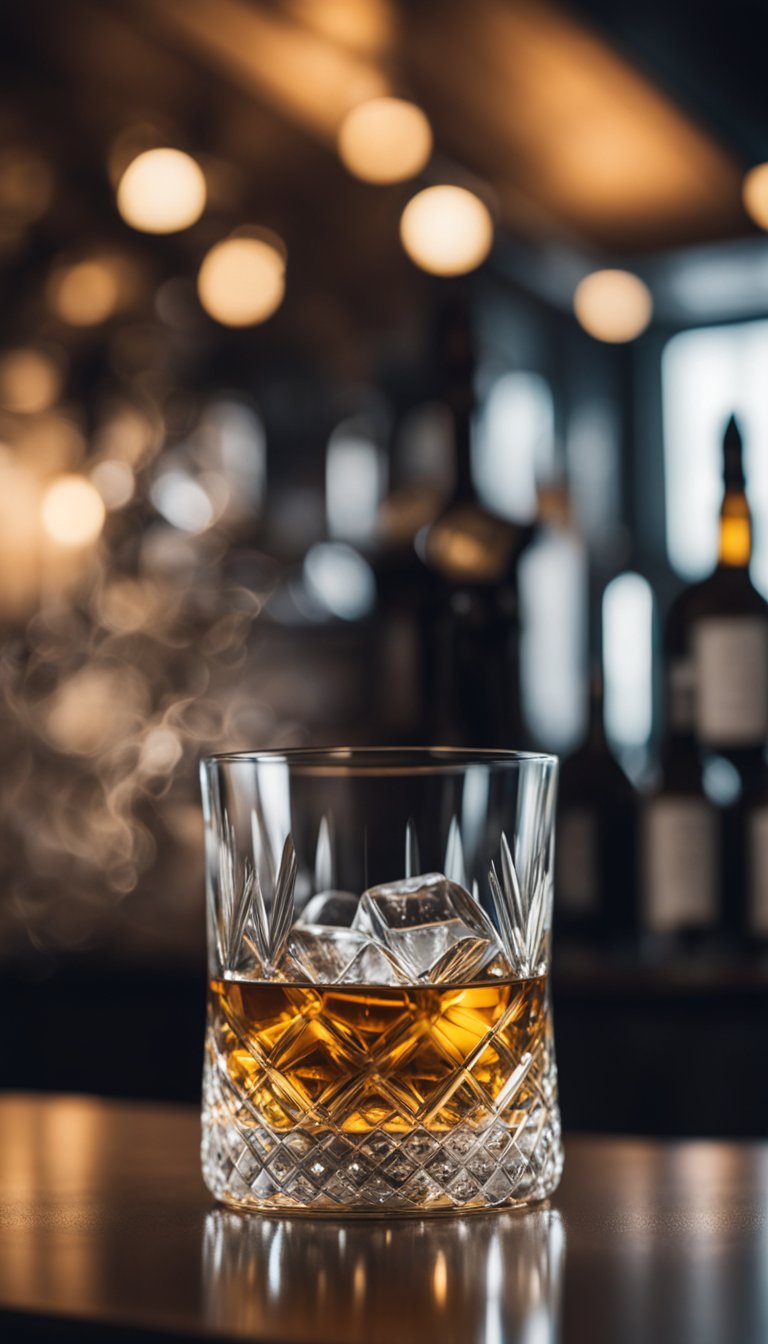
The EU and the UK Alcohol-Free Spirit Market Essential Insights to Success
II. Troubles with Regulatory Hurdles
Within the EU and UK the alcohol-free spirit market regulatory hurdles present a serious hurdle for businesses. In order to comply with and understand the intricate web of regulations is vital for achieving success.
A. EU Regulations
Summary of EU Regulations on Alcohol-Free Spirits
The European Union has established rigorous regulations to ensure the security and quality of food and beverages, such as alcohol-free spirits. The regulations cover a range of aspects of product formulation, labeling, and marketing.
Compliance Challenges and Implications
The need to ensure compliance with EU regulations is crucial for businesses operating in this market. Infractions to these regulations can result in serious penalties and damage to the reputation of a company. It’s vital to stay up-to-date about the ever-changing regulatory landscape and may result in frequent adjustments to the formulations of your products and labels.
B. UK Regulations
Overview of UK Regulations on Alcohol-Free Spirits
Since the UK’s departure from the EU The country has formulated its own set rules concerning alcohol-free spirit. These regulations may differ from EU standards, and businesses operating in the UK need to be fully aware of the latest regulations.
Unique New Challenges in the Post-Brexit Era
Understanding the UK regulatory framework following the Brexit vote presents particular issues. Making changes to the rules and standards is essential to ensure that your products continue to be sold on the UK market. Becoming informed and proactive with compliance efforts is essential.
III. Competitive Landscape
The market for alcohol-free spirits in both the EU and UK is seeing an increase in competition. Understanding the dynamics of this industry is crucial for any business looking to be successful.
A. Proliferation of Brands
The growth of alcohol-free Spirit Brands
The demand for alcohol-free spirits has resulted in increasing the number of brands coming into the market. While this provides consumers with options, it also intensifies competition for businesses.
Standing Out in a Crowded Market
For success, businesses need to differentiate themselves from their competition. It’s not just about providing high-quality products but also developing strong brand identities and successful marketing strategies.
B. Pricing Pressures
Competitive Pricing Strategies
The price competition is intense in the market for alcohol-free spirits. Many consumers are price sensitive, and businesses often engage in pricing strategies to compete.
Balance between Quality and Cost
Finding the perfect balance between offering affordable products while maintaining quality is a challenge. A rash approach to cutting costs can make the product less reliable. product.
C. Innovation and Product Differentiation
The importance of Innovation
Innovation is a key driver for success in this sector. Businesses that develop distinctive and attractive alcohol-free spirit offerings offer a distinct advantage.
Navigating Consumer Trends
Being aware of and adjusting to changing patterns and preferences of the market, such as the demand for exotic flavors or sustainability, is crucial for staying relevant.
As we continue to study some of the problems in the EU and UK spirit market that is alcohol-free, the next section will delve into the evolving demands of the consumer and the ways businesses can change to meet them effectively.
Navigating the EU and UK Alcohol-Free Spirit Markets Essential Insights to Success
III. Evolving Expectations of Consumers
In the constantly changing landscape within the EU and UK alcohol-free spirit market, consumer expectations continue to evolve. Being able to meet these expectations is the key to the success of your business.
A. Flavor Variety and authenticity
The Quest for Unique Flavors
Consumers are today increasingly looking for fresh and exotic flavors. They’re looking for alcohol-free spirit that aren’t just a substitute of traditional alcohol beverages, but also a distinct sensory experience.
Problèmes for Businesses
Meeting the demand for diverse and authentic flavor profiles poses challenges for companies. Finding premium and natural ingredients as well as perfecting flavor profiles take time and skill.
B. Fitness and health trends
Growing Health Consciousness
Consumers are becoming more health-conscious this is driving the demand of spirit without alcohol that meets their goals for wellness. They want to purchase products that are low in calories, sugar-free, and made with whole ingredients.
Balancing Taste and Health
The balance between the flavor and sensory appeal of alcohol free spirits with aspects of health and wellness can be difficult. Businesses need to make investments in the research and development to produce products that satisfy both requirements.
C. Sustainability and ethical practices
Growing Sustainability
Sustainability is an essential concern to consumers today. They want to patronize brands that are environmentally responsible starting from the origin of ingredients, to packaging.
Building Ethical Brands
Businesses are constantly under pressure to adopt ethical and sustainable methods. This requires not just eco-friendly production, but also transparency of sources of supply and ethics in the supply chain.
D. Convenience and Accessibility
On-the–go Lifestyles
Many people lead hectic lives and require convenient ways of having alcohol-free drinks. It is easy to carry, store, and mix are highly desired.
Meeting Accessibility Notification
Businesses should think about packaging in serving sizes, serving size, and the functionality of their products to meet customer expectations for convenience.
IV. Strategies to meet changing consumer Expectations
As the expectations of consumers continue shift, businesses in the EU and UK alcohol-free spirits markets have to adjust to stay ahead of the curve. Here are some ideas to consider:
A. Innovation and Product Development
Continual Innovation
Insist on research and development for unique and distinctive flavors that appeal to evolving preferences.
Health-conscious Formulations
Develop products that reflect health and wellness trends which emphasize qualities such as low sugar, natural ingredients and no added sugar.
B. Sustainability and ethical practices
Environmental Responsibility
Develop sustainable sourcing, production and packaging practices that appeal to eco-conscious consumers.
Transparency and Ethics
Communicate your commitment to ethical sourcing and supply chain practices to establish trust with consumers.
C. Marketing and Branding
Effective Storytelling
Create compelling brand identities that connect with the consumer’s needs for distinct flavors with a healthy lifestyle, as well as sustainable practices.
Educational Campaigns
Help consumers understand the benefits and use of alcohol-free spirits Helping them make informed choices.
In the next chapter, we’ll look at the role of distribution and marketing strategies in navigating the challenges of the EU as well as the UK alcohol-free spirit market.

Navigating the EU and UK Alcohol-Free Spirit Markets Need Help Now!
IV. Strategies to Meet Evolving Consumer Expectations
The expectations of consumers in both the EU as well as the UK alcohol-free spirits markets remain in flux, businesses must devise effective strategies to stay competitive and satisfy the evolving demands. In this article we’ll take a look at some effective strategies to face these challenges effectively.
A. Innovation and Product Development
Continuous Innovation: Staying Ahead Flavor Trends
In the field of alcohol-free spirits, innovation is the word of the day. To meet changing consumer expectations for distinctive flavors, businesses should continue to invest in discovery and advancement. This means experimenting with a numerous natural ingredients like botanicals, herbal extracts, and spices to design unique flavor profiles that can stand out in a market.
A Pro Tip Work with mixologists and experts in flavor to develop unique and engaging flavor experiences.
Balanced Taste and Health and Wellness: Keeping up with Wellness Expectations
Consumers’ increasing focus on well-being and fitness presents an opportunity and a challenge. While making delicious alcohol-free spirits is crucial, it’s equally important to adhere to health-conscious trends. This means providing products that can be low on calories, sugar-free, and made from nutritious ingredients. Achieving the perfect balance of flavour and health is a delicate task but an essential one.
Pro Tips: Conduct taste tests and surveys for a better understanding of the flavor and nutritional attributes.
B. Sustainability and ethical practices
Environmental Responsibility: Going Green to Market Appeal
Sustainability is not just a niche topic It’s now an accepted expectation. The majority of consumers are choosing brands that show environmental responsibility. In order to satisfy this demand businesses should adopt sustainable practices during their production processes. This means sourcing ingredients in a responsible manner cutting down on waste, and using environmentally-friendly packaging.
Pro Tip: Highlight sustainability initiatives on packaging for your products and marketing materials in order to draw environmentally conscious consumers.
Ethics, Transparency, and Transparency Establishing Trust Through Honesty
In this day and age the importance of transparency and ethical business practices are paramount. The consumer wants to know not only what’s in the alcohol-free spirits but also how those ingredients are sourced and if ethical practices are in place. To create trust, companies must publicly announce their commitment to ethical source, fair labor practices and transparent supply chains.
Pro Tips: Share stories and images of your production and sourcing process on social media and on your website to display your dedication in transparency.
C. Marketing and Branding
Successful Storytelling: Writing a compelling brand Narratives
Successful branding in the alcohol-free spirit market hinges on effective storytelling. Develop a compelling brand story that resonates with your customers’ desires for unique flavors, green choices and sustainable practices. Your narrative should be more than just words. It must convey the essence of your brand and its values.
PRO TIP: Utilize multimedia content, including podcasts and videos to tell your company’s message in a captivating way.
Educational Campaigns: Empowering Consumers Through Knowledge
Many consumers are unfamiliar with the idea of alcohol-free spirits. Thus, educational campaigns are an essential element in informing consumers about their benefits and the uses of these products. Give consumers information on the ways to incorporate alcohol free spirits into mocktails, cocktails and many other recipes.
Pro TIP: Create a section on your website with cocktails, recipes, and use guides to help consumers with the use of your products.
In the following section we’ll examine the role of marketing and distribution strategies in dealing with the issues of market participants in the EU and UK alcohol-free spirit markets.
The EU and UK Alcohol-Free Spirit Market Challenges Tips for Success
V. Conclusion Charting a Course to the Future
This comprehensive series on managing the challenges faced by dealing with the challenges of EU and UK alcohol-free spirits market, we’ve looked at various aspects of this thriving industry. From studying the market’s landscape to designing compelling product offerings and strategies we’ve covered all. As we wrap up this article, let’s go over the most significant insights from every chapter and chart the path for the future.
I. Understanding the Market Landscape
In the first part of our series, we delves into the underlying principles of the EU and UK alcohol-free spirit market. In this article, we examined the market’s growth in terms of trends, as well as factors that are driving demand for alcohol-free alternatives. We discovered that
- The market for alcohol-free spirits is growing quickly on a trajectory, driven by health-conscious consumers as well as the desire for different flavor experiences.
- Understanding consumer preferences markets, dynamics of the market, and laws is essential for success in this business.
II. Designing and creating unique and appealing products
In the second segment, we delved into the art of and technique of creating alcohol-free spirits that can entice customers. Key takeaways included:
- Continuous innovation and an eye for new trends in flavors are important to keeping up with the competition.
- Balancing taste and health attributes is a delicate but necessary task in order to meet ever-changing consumer needs.
III. Sustainability and ethical Practices
In the final part of our series, we stressed the importance of sustainability as well as ethical methods. In this article, we have discovered that:
- Implementing sustainable practices, from source to packaging will not only benefit the environment, but also appealing to eco-conscious consumers.
- Transparency as well as ethical sourcing help build confidence and are embraced by customers who believe in responsible business practices.
IV. Strategies for meeting the ever-changing expectations of the consumer. Expectations
The fourth chapter focused on strategies for meeting the ever-evolving expectations of consumers. It was a good time to consider:
- Continuous creation, development of products, and alignment with trends in wellness are vital to succeed.
- Responsible practices and ethically sourced products are vital to long-term market appeal.
- Effective storytelling and educational campaigns can empower consumers and enhance brand loyalty.
V. Conclusion V. Conclusion: Charting a course for the Future
In this, the last installment of our series of articles, we’ve considered on the wealth of knowledge found in our analysis into the EU as well as the UK spirits market that are alcohol free. It’s clear that the market offers a lot of potential for development and success. Companies that are able to navigate the obstacles, develop new ideas, and align with consumer values are set for a prosperous future.
As we close this series, bear in mind that the alcohol-free spirit market will continue evolving. new trends will emerge and consumer expectations will change and regulations might change. Being aware, flexible, and receptive are the keys to staying competitive in this dynamic sector.
In conclusion that, whether you’re planning to enter this market or are an established player who wants to expand their reach the lessons in this collection serve as an invaluable compass. By gaining a better understanding of the market, making distinctive products, encouraging sustainability, and staying attuned to consumer demands and preferences, you’ll be able to navigate the EU as well as the UK industry of alcohol-free drinks with confidence.
Thank you for coming along on this journey into the lands of alcohol-free liquor. We wish you success and prosperity as navigate the thrilling challenges and opportunities that lie ahead.